

Introduction: Navigating Canine Leaps and Bounds
Dogs are often hailed as humanity’s truest companions, bringing joy and laughter into our lives with their playful antics. However, one exuberant behavior that can sometimes dampen teh bond between a dog and its owner is unwanted jumping. Whether it’s a joyful greeting at the door, a desperate plea for attention, or an eager attempt to make friends with strangers, the instinct to leap can be overwhelming for our furry friends. Yet, while jumping can stem from excitement and affection, it can also lead to misunderstandings and discomfort for those on the receiving end. This article explores the nuances of preventing and correcting unwanted jumping in dogs,offering insights and practical tips to cultivate calmer greetings,all while maintaining the joyful spirit that makes dogs so endearing.With a balanced approach, we can ensure that every leap is a leap in the right direction.
Understanding the Roots of Unwanted Jumping Behavior
Unwanted jumping in dogs often stems from a mix of excitement, anxiety, and learned behaviors. Puppies, in particular, may leap at their owners or guests as a natural expression of enthusiasm. What seems like a joyful greeting can quickly become a nuisance, especially if the dog fails to differentiate between a welcome and an unwelcome audience. Over time,this behavior can become reinforced if the dog receives attention—positive or negative—every time they jump. This cycle can lead to a more persistent jumping habit as the dog learns that jumping gets them the desired response of attention.
Additionally,environmental factors play a significant role in this jumping behavior. For instance, dogs who are not socialized properly during their formative months may feel overwhelmed in new situations, leading to vertical bursts of energy as a misguided coping mechanism. Factors contributing to this behavior may include:
- Lack of training: without clear guidelines, dogs may not understand that jumping is inappropriate.
- Excitement levels: A dog’s uncontrolled enthusiasm can trigger jumping when they are greeted.
- Attention reinforcement: Even negative reactions, like yelling, can encourage jumping as a way to assert dominance.
| Behavior Causes | Explanations |
|---|---|
| Excitement | Dogs often jump when they are happy or see their owner after a long absence. |
| Anxiety | Stressful situations can lead a dog to jump as a means of coping. |
| Attention-seeking | Dogs learn that jumping gets them noticed—good or bad. |
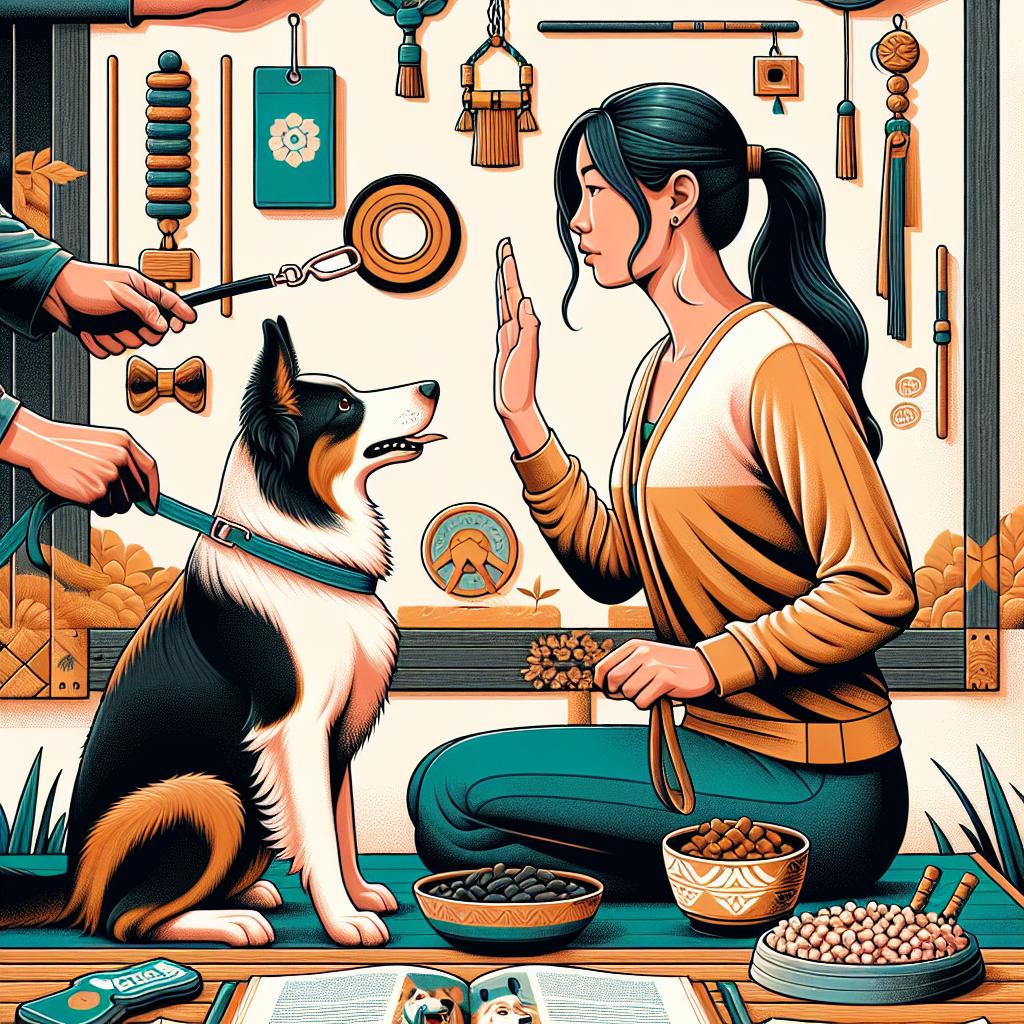
Establishing Clear Boundaries: Training Techniques for Success
When training your dog to prevent unwanted jumping, establishing clear boundaries is crucial. Begin by letting your dog understand what behaviors are acceptable and wich are not. Consistency is key; every family member should enforce the same rules to avoid confusing your furry friend. For effective boundary training, consider the following techniques:
- Use a Firm ”No”: When your dog jumps, promptly say “no” in a firm but calm voice.
- Redirect Attention: Quickly direct their focus to a toy or treat to distract them from jumping.
- Reward Calm behavior: Use treats or praise when your dog remains calm during greetings.
- Body Block: Stand in the way if your dog attempts to jump, preventing them from doing so.
in addition to these training techniques, its essential to establish a routine that reinforces boundaries. Creating a structured habitat helps your dog know what to expect and when. Consider implementing the following strategies to enhance training effectiveness:
| Training Strategy | Description |
|---|---|
| Greeting Practise | Practice having friends enter your home while you control your dog’s excitement. |
| session Duration | Keep training sessions short (5-10 minutes) to maintain your dog’s focus. |
| Regularity | Be consistent with the time and place of training to establish familiarity. |

Positive Reinforcement Strategies to Curb Jumping
Utilizing positive reinforcement is a gentle and effective way to train your dog to stop jumping. Start by encouraging calm behavior through techniques that reward peace and tranquility. whenever your dog remains on all fours when greeting someone, instantly offer a treat, praise, or a favorite toy. This immediate acknowledgment of desirable behavior helps create a strong association between staying grounded and receiving positive outcomes. Over time, your dog will learn that keeping all four paws on the floor leads to more attention and enjoyment than jumping up.
Consistency is key when implementing these strategies. To ensure your dog understands what is expected, establish clear commands that signal when they should remain calm, such as “Sit” or “Stay.” Reinforce these commands with encouraging feedback every time they comply. Consider setting up practice sessions with friends or family while emphasizing patience and giving your dog time to respond. Additionally, you can integrate amusement into training by using toys or games to redirect their energy. Creating structured interactions will help solidify good manners in a variety of situations.

Creating a Consistent Environment for Lasting Change
Establishing a consistent environment is crucial for addressing unwanted jumping behaviors in dogs. Consistency in rules and training techniques reinforces the expected behavior and helps your dog understand what is considered appropriate. enlist the help of family members and friends to ensure that everyone is on the same page regarding boundaries, ensuring that attention and affection are given only when your dog has all four paws on the ground. A unified approach not only benefits the pet but also fosters a harmonious living environment.
Moreover, integrating routine into your training can greatly enhance your success.Here are some vital components to keep in mind:
- Regular Training Sessions: Aim for short, frequent training sessions to reinforce positive behaviors.
- Designated Spaces: Create specific areas in your home where your dog can comfortably greet others, helping to manage their excitement.
- Positive Reinforcement: Reward calm behaviors consistently to encourage your dog to remain grounded.
Through a well-structured approach and the right reinforcements, you set the stage for improved behavior and a more peaceful coexistence.
Q&A
Q&A: Preventing and Correcting Unwanted Jumping in Dogs
Q: Why do dogs jump up on people?
A: Dogs jump for various reasons, including excitement, seeking attention, or simply greeting their owners. For many dogs, it’s a natural behavior that conveys enthusiasm. Though, this enthusiasm can become overwhelming and unwelcome, especially for guests who might feel uncomfortable or for smaller individuals.
Q: What are some effective strategies to prevent jumping?
A: Consistency is key! Start by teaching your dog an choice behavior, such as sitting or staying, when greeting people. Use a firm “no” or “off” when your dog attempts to jump, followed by positive reinforcement—like treats or praise—when they remain calm. It’s essential to practice these commands in various environments to ensure your dog understands what is expected.
Q: How can I manage my dog’s jumping behavior during social events?
A: Preparing your dog for social settings can make a significant difference. Before guests arrive, take your dog for a walk to expend some energy. When people come in, have your dog on a leash and instruct them to sit. Encourage guests to ignore the dog until they calm down, which reinforces that manners are rewarded over excitement.
Q: What do I do if my dog continues to jump despite my efforts?
A: If your dog doesn’t seem to respond to your training attempts, consider enrolling them in a training class led by a professional dog trainer. These classes can provide invaluable socialization opportunities and tailored advice for dealing with persistent jumping behaviors.
Q: Can jumping behavior have underlying issues?
A: Absolutely! In some cases, excessive jumping could be a sign of anxiety or lack of exercise.Ensure your dog is getting enough physical activity and mental stimulation. If they are still exhibiting problematic jumping behavior, consult with a veterinarian or a qualified behaviorist for a thorough evaluation.
Q: Are there certain breeds more prone to jumping?
A: Breeds known for their high energy levels—like Border Collies, Labradors, and Jack Russell Terriers—may be more prone to jumping behavior. However, jumping can occur in any breed, so individual temperament and training history play significant roles.
Q: how long does it typically take to correct unwanted jumping?
A: The timeline varies based on the dog’s age, breed, prior training, and consistency of practice. Some dogs may show improvement within days or weeks,while others might require months. Patience and consistency in training are essential, ensuring that every interaction is an chance for learning.
Q: What should I do if my dog jumps on a stranger?
A: First, remain calm and avoid yelling at your dog, as this may inadvertently encourage more jumping due to excitement. Leash your dog if necessary and gently guide them away while redirecting their focus. You can also ask the stranger to ignore the dog until they’ve calmed down, reinforcing the idea that jumping doesn’t lead to instant attention.
Feel free to utilize these questions and their responses for a complete understanding of preventing and correcting unwanted jumping in dogs. With consistent training and patience, you can foster more appropriate greeting behavior in your furry companion!
Future Outlook
preventing and correcting unwanted jumping in dogs is a journey that combines understanding, patience, and consistent training. By employing the strategies outlined in this article—from reinforcing positive behaviors to creating structured interactions—you can transform your canine companion’s enthusiasm into greetings that are both joyful and controlled. Remember, every dog is unique, and what works for one may take time to perfect for another. With dedication and a compassionate approach, you can foster a relationship built on mutual respect and understanding, where your dog’s exuberance is expressed in ways that enhance, rather than disrupt, your daily life. Embrace the process, celebrate the small victories, and enjoy the bond you create through your efforts. Happy training!